
For years, textile exporters built relationships with European buyers based on price, quality, and reliability.
But that is no longer enough.
Today, many suppliers are losing buyers - not because of product issues, but because they cannot meet growing expectations around sustainability, transparency, and compliance.

European brands are now expected to take responsibility for their entire supply chain. This includes environmental impact, labor practices, and carbon emissions - not just within their own operations, but across their suppliers as well.
As a result, buyers expect clear, verifiable information on how products are sourced and produced. It’s no longer about saying the right things - it’s about proving them with structured data.

The biggest issue for many textile companies is not effort, but structure.
Supply chains are complex, involving multiple suppliers across different stages. Without a proper system, visibility becomes limited. At the same time, sustainability data is often scattered across emails, files, and spreadsheets, making it difficult to respond to buyer requests quickly.
Audits can be slow and inconsistent, especially when managed manually. Carbon reporting is another growing challenge, with buyers increasingly asking for emissions data across the value chain.
This leads to a common pattern - suppliers reacting to requests instead of being prepared for them.
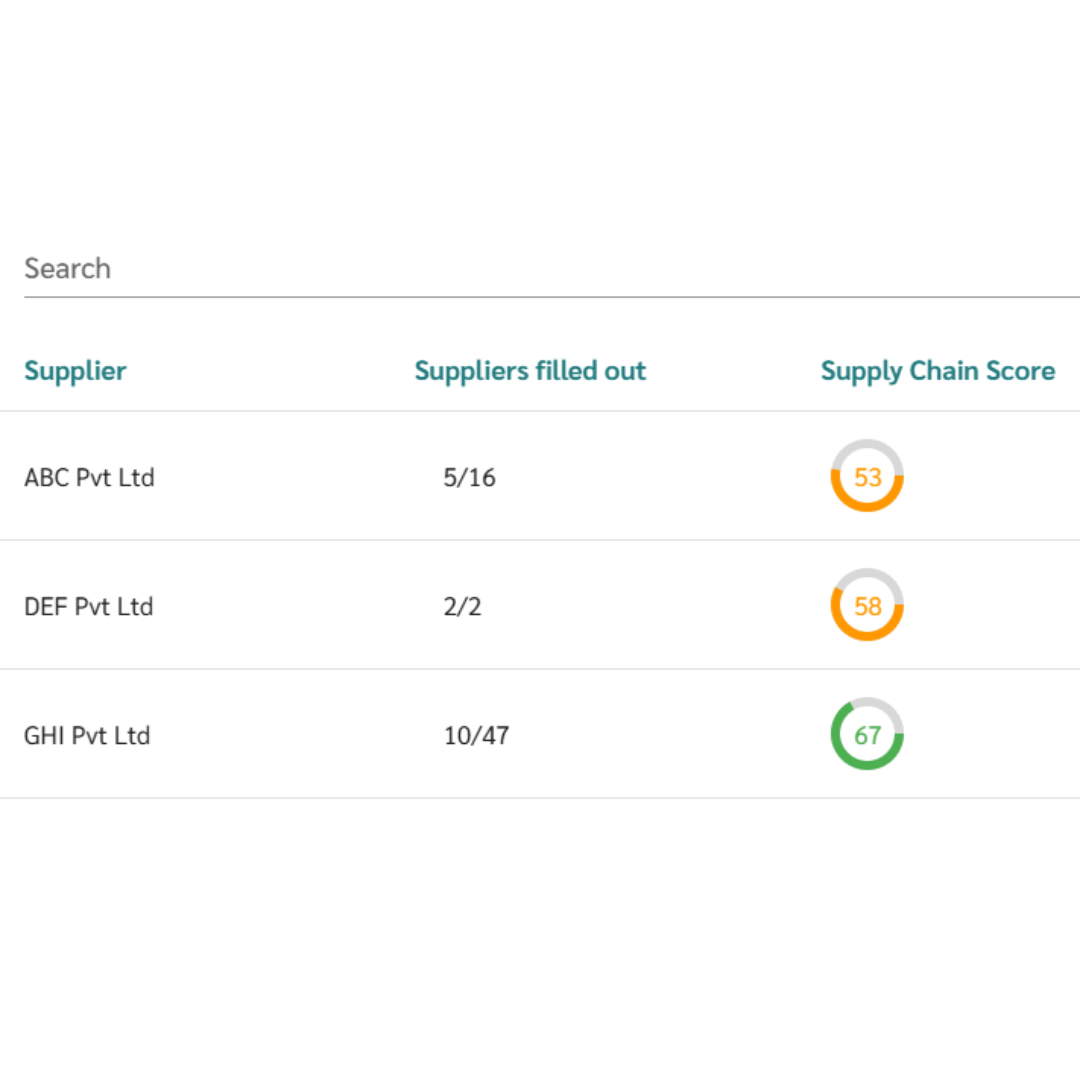
One of the biggest blind spots is beyond first-tier suppliers. Many companies do not know whether their suppliers are working with sustainable and compliant partners.
With Orixe, companies can gain insight into this layer by viewing the average sustainability performance of their suppliers’ suppliers. This helps identify potential risks early and provides a clearer understanding of the overall supply chain.
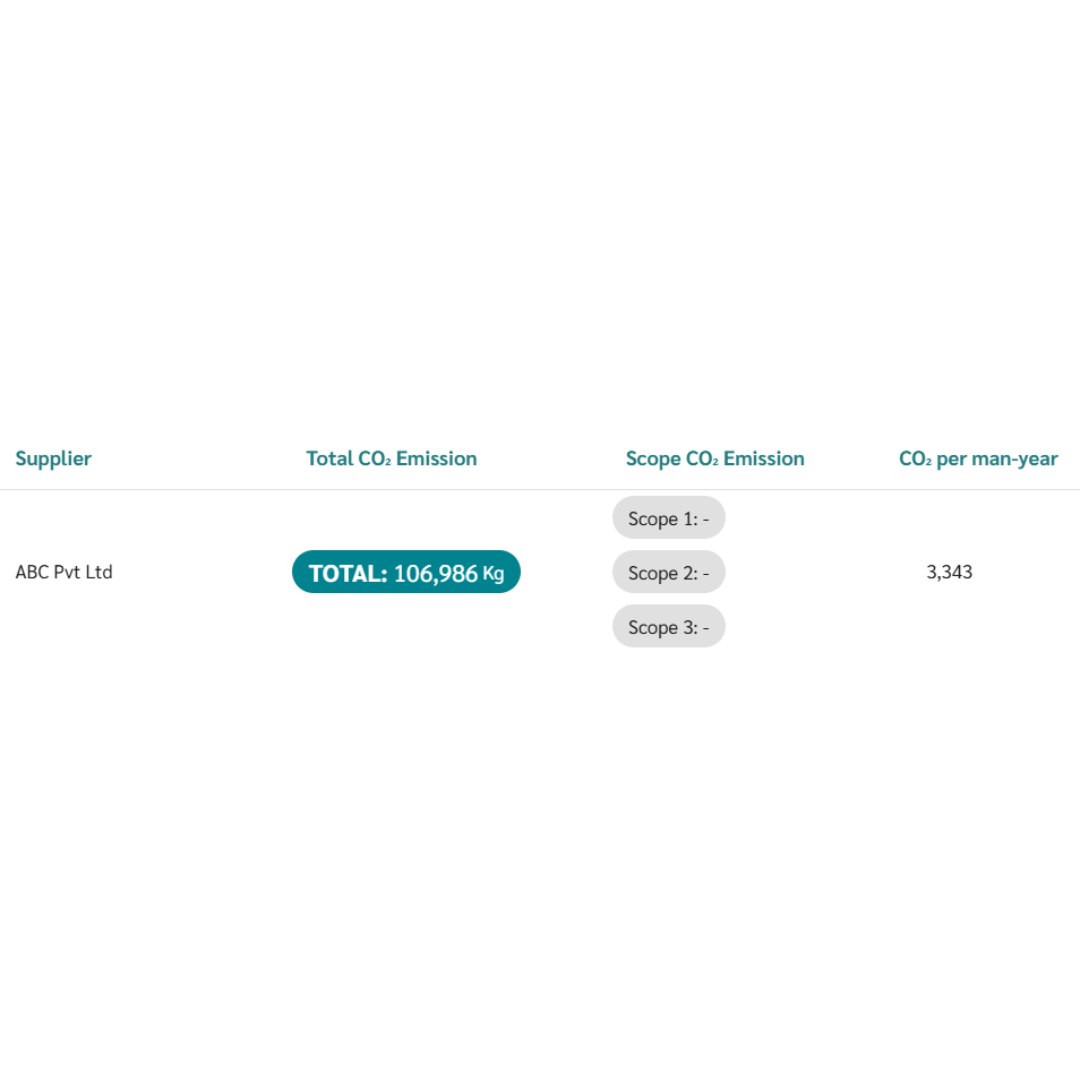
Carbon reporting can feel complex, but starting at the supplier level makes it more manageable.
Orixe allows companies to view total CO₂ emissions of their suppliers, along with Scope 1, 2, and 3 breakdowns. Emissions can also be compared using CO₂ per man-year, giving a more practical way to understand and evaluate performance.

The textile industry is shifting towards greater transparency and accountability.
Suppliers are not losing European buyers overnight - it happens gradually through gaps in visibility, delayed responses, and lack of structured data.
The companies that stay competitive are those that take a more proactive approach - improving visibility, organizing their data, and being ready to respond with confidence.
If you work with European buyers, now is the time to build a more transparent and structured supply chain. Because today, it’s not just about what you produce - it’s about how clearly you can show it.